You walk into a room and forget why you’re there. A key fact vanishes during an important meeting. In a world where information bombards us every second, these moments of memory lapse are more than just frustrating; as described in our mission, they can feel like a silent thief that steals your confidence and productivity. You’re left wondering if your brain is as sharp as it could be.
While a healthy lifestyle is the bedrock of cognitive function, a class of substances known as nootropics has gained immense popularity for its potential to support and enhance memory and recall. But in a market flooded with hype, how do you know what actually works?
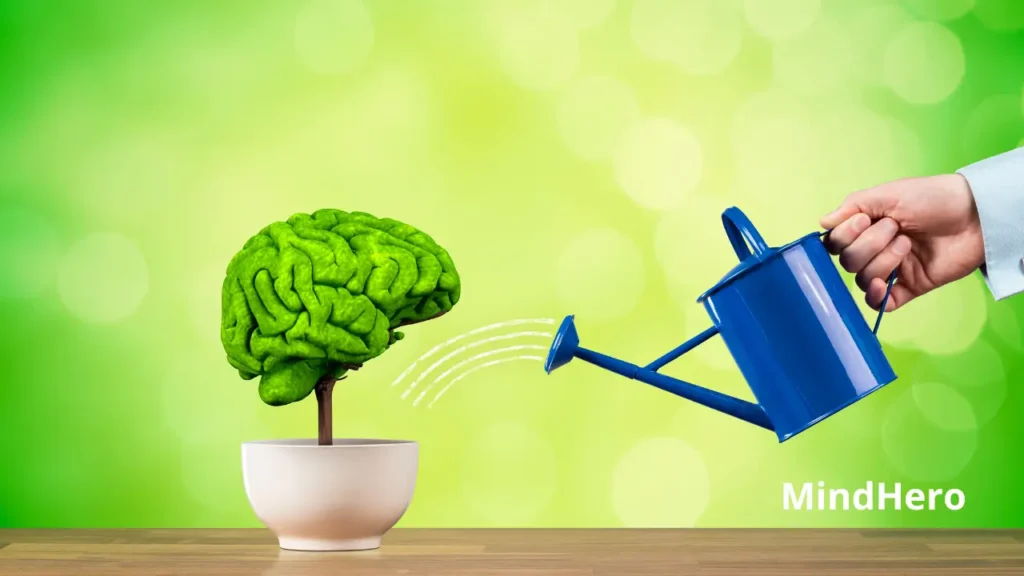
This guide is your honest, evidence-based resource for navigating the world of nootropics for memory enhancement. We will explore the science of how your brain remembers, break down the most effective ingredients backed by clinical research, and teach you how to choose high-quality products safely. Think of nootropics not as a magic pill, but as a strategic tool to amplify the benefits of your existing daily habits for a clearer, sharper mind.
(Note: The information in this article is for informational purposes only and is not intended to replace professional medical advice. These statements have not been evaluated by the Food and Drug Administration. Always consult with your physician or other qualified health care professional before starting any new supplementation program, especially if you are pregnant, nursing, taking medication, or have a medical condition.)
The Science of Memory: How Your Brain Remembers
Before we explore how nootropics can help, it’s essential to understand the basics of how your brain forms and retrieves memories. Memory isn’t a single action; it’s a complex process involving encoding, storage, and retrieval. This process relies on a healthy brain structure and the right chemical messengers, known as neurotransmitters.
- Acetylcholine: Often called the “learning neurotransmitter,” acetylcholine is crucial for encoding new memories and maintaining focus. Lower levels are associated with memory deficits.
- Neuroplasticity: This is your brain’s ability to form and reorganize synaptic connections, especially in response to learning or experience. It’s the physical basis of learning. A brain with high neuroplasticity can learn and remember more effectively.
- Brain-Derived Neurotrophic Factor (BDNF): Think of BDNF as “Miracle-Gro” for your brain. It’s a protein that supports the survival of existing neurons and encourages the growth and differentiation of new ones, which is critical for long-term memory.
Nootropics work by supporting these core pathways—by providing the building blocks for key neurotransmitters, protecting brain cells from damage, or promoting the factors that lead to neuroplasticity. While individual ingredients can target specific pathways, a comprehensive formula can provide holistic support. MindHero is a [state-of-the-art neurocellular supplement](cite: 11) designed as a [“symphony of synergistic nutrients”](cite: 67) that acts as a [“protective shield against oxidative stress, inflammation, and neuronal aging.”](cite: 69)
The Top 5 Evidence-Backed Nootropics for Memory and Recall
While many substances claim to boost memory, only a select few are backed by significant scientific evidence. This list focuses on the most researched and effective nootropics for enhancing memory and recall.
1. Bacopa Monnieri: The Chronic Memory Builder
- What It Is: A staple herb in traditional Ayurvedic medicine, Bacopa Monnieri is one of the most respected natural nootropics for long-term memory enhancement.
- How It Works: Bacopa is celebrated for its ability to strengthen the communication between neurons. [It strengthens synapses for better information acquisition and retention](cite: 89). Unlike a stimulant, its effects are cumulative, building over several weeks of consistent use.
- What the Science Says: The evidence for Bacopa is robust. A [chronic trial in 2002 revealed significant effects on retaining new information, effectively accelerating the learning rate in healthy adults](cite: 90). Further, a [2010 Australian study confirmed improvements in verbal learning, memory acquisition, and delayed recall in seniors](cite: 91). This research is why Bacopa Monnieri is a core component of the MindHero formula.
- Best For: Students, professionals, and anyone engaged in learning new, complex skills who are looking for long-term, sustainable improvements in memory and information retention.
2. Phosphatidylserine (PS): The Brain Cell Guardian
- What It Is: Phosphatidylserine (PS) is a vital phospholipid that is highly concentrated in the brain. It is a critical component of all cell membranes, acting as a “gatekeeper” that regulates the flow of nutrients into and waste out of your neurons.
- How It Works: By supporting the integrity and fluidity of brain cell membranes, PS facilitates the efficient transmission of neurotransmitters. This cellular communication is the foundation of sharp memory and clear thinking. As described in the science behind the MindHero formula, PS is the [“cellular armor for lasting memories,”](cite: 83) essential for consolidating both short and long-term memories. You can explore its mechanisms in more detail in our deep dive on Phosphatidylserine.
- What the Science Says: The research on PS is compelling, which is why it is a key ingredient in the MindHero formula. A [2010 double-blind study demonstrated that it enhances memory skills in seniors with cognitive complaints, boosting recall in standardized tests](cite: 85). Another [6-month study confirmed its ability to improve memory functions in the elderly, helping to reduce age-related decline](cite: 86).
- Best For: Supporting memory function, protecting against age-related cognitive decline, and maintaining the cellular health that is foundational for long-term focus.
3. Lion’s Mane Mushroom: The Neurogenic Nootropic
- What It Is: Lion’s Mane is a medicinal mushroom that has been used for centuries in traditional Chinese medicine. It is unique among nootropics for its potential to support nerve health and promote the growth of new neurons.
- How It Works: Lion’s Mane contains unique compounds, such as hericenones and erinacines, that are believed to stimulate the production of Nerve Growth Factor (NGF). NGF is a protein that is crucial for the growth, maintenance, and survival of neurons. By supporting neurogenesis, Lion’s Mane helps build a stronger, more adaptive brain.
- What the Science Says: While much of the research is still emerging, studies have shown that Lion’s Mane has significant neuroprotective properties. As a key part of a holistic brain health strategy, it is gaining recognition for its potential to support long-term cognitive function. You can learn more about its benefits in our guide to Lion’s Mane Mushroom.
- Best For: Long-term brain health, promoting neuroplasticity, and individuals looking to support their brain’s natural ability to repair and regenerate.
4. Choline (+ DMAE): The Acetylcholine Fuel
- What It Is: Choline is an essential nutrient that serves as a direct precursor to acetylcholine, the brain’s primary neurotransmitter for learning, memory, and focus. DMAE (dimethylaminoethanol) is a compound believed to support brain health and work in synergy with choline.
- How It Works: By providing the raw materials to produce acetylcholine, choline directly supports the brain’s ability to encode and recall information. As the science behind the Mind Hero formula explains, [choline… correlates with better cognitive performance, reducing memory loss risks in seniors, per a 2011 study](cite: 99). DMAE complements this by helping to [counter oxidative damage to long-term memory](cite: 100). Together, this dynamic duo works to clear mental fog and support instant recall.
- What the Science Says: The combination is powerful. A [1995 study highlighted working memory improvements with DMAE derivatives](cite: 101). When paired with a robust choline source, this combination provides comprehensive support for the acetylcholine system, which is why it is a key component of the MindHero formula. The result is a noticeable boost in mental clarity and productivity.
- Best For: Individuals looking to enhance focus during learning tasks, combat age-related declines in acetylcholine, and clear away brain fog for better daily productivity.
5. Ginkgo Biloba: The Cerebral Blood Flow Enhancer
- What It Is: Ginkgo Biloba is one of the oldest living tree species and its leaf extract has been used for centuries in traditional medicine to support brain health.
- How It Works: Ginkgo’s primary mechanism for cognitive enhancement is its ability to improve blood flow to the brain. Better circulation means more oxygen and vital nutrients can reach your neurons, supporting their energy and overall function. To learn more about this ancient herb, you can read our detailed guide on Ginkgo Biloba.
- What the Science Says: The scientific evidence on Ginkgo is mixed, which is important to acknowledge for a balanced view. While some studies have shown modest benefits for memory and cognitive function, particularly in older adults, other large-scale studies have found it less effective for preventing dementia. However, its role in supporting cerebral circulation remains a key area of interest for overall brain health.
- Best For: Individuals concerned with age-related cognitive changes where circulatory health may be a contributing factor.
How to Use Nootropics Safely and Effectively
While evidence-backed nootropics can be a powerful tool, “natural” does not automatically mean risk-free. The supplement industry is vast, and quality can vary dramatically. To ensure both your safety and the effectiveness of your regimen, approaching nootropics with an informed, cautious mindset is non-negotiable.
- Rule #1: Always Consult a Healthcare Professional. Before starting any new supplement, especially one that affects your brain chemistry, it is essential to speak with your doctor. They can help you determine if a nootropic is right for you, check for potential interactions with other medications, and advise on a safe dosage. This is the most important step.
- Prioritize Quality and Third-Party Testing. Choose brands that are transparent about their sourcing and manufacturing. Look for products that undergo third-party testing from organizations like NSF International or U.S. Pharmacopeia (USP) to verify purity and potency. A premium product like MindHero is built on this principle of quality, formulated with [10 clinically validated ingredients that are precisely dosed for maximum absorption](cite: 11, 77). This commitment to clinical data and precise formulation is a key indicator of a trustworthy supplement.
- Start Low and Be Patient. When starting a new nootropic, begin with the lowest recommended dose to see how your body responds. Many nootropics for memory, like Bacopa Monnieri, work cumulatively and require several weeks of consistent use to show significant effects. Patience is key.
- Be Aware of “Stacking.” Many users combine different nootropics to create a “stack.” While this can be effective, it should only be done with a deep understanding of each ingredient and preferably under the guidance of a knowledgeable healthcare provider.
Beyond Nootropics: The Non-Negotiable Pillars of a Healthy Memory
It is crucial to remember that nootropics supplement a healthy lifestyle; they do not replace it. The most profound and lasting improvements in memory and recall come from a holistic approach that builds a strong foundation of brain health. Think of these pillars as the fertile ground, and nootropics as the targeted fertilizer.
- Quality Sleep: Deep sleep is when your brain consolidates memories—transferring them from short-term to long-term storage—and clears out metabolic waste. Prioritizing 7-9 hours of quality sleep is the single most effective thing you can do for your memory.
- Regular Exercise: Physical activity increases blood flow to the brain and boosts BDNF, the “brain fertilizer” that supports the growth of new neurons.
- A Brain-Healthy Diet: An anti-inflammatory diet rich in whole foods, healthy fats (like Omega-3s), and antioxidants provides the essential nutrients your brain needs to function optimally.
- Lifelong Learning & Stress Management: Actively challenging your brain with new skills builds cognitive reserve, making it more resilient. Furthermore, chronic stress is toxic to memory, making practices like meditation for mental clarity essential. Integrating these practices is a core part of building sustainable daily habits for a clearer, sharper mind.
While you build these foundational habits, a comprehensive formula can provide critical support. MindHero is designed for this exact purpose, offering [ingredients that promote natural relaxation for better brain rest](cite: 23) and [support for neurotransmitters that regulate mood and well-being](cite: 21), helping you master the lifestyle pillars that lead to lasting cognitive excellence.
Frequently Asked Questions (FAQ)
What is the single best nootropic for improving memory? There isn’t a single “best” one, as it depends on your goals. For long-term memory formation and learning, Bacopa Monnieri has some of the most robust scientific evidence. For supporting memory in the context of aging, Phosphatidylserine is a top contender. A comprehensive approach often involves a synergistic blend of multiple ingredients.
How long does it take for memory nootropics to work? It varies by ingredient. Some nootropics that support neurotransmitters, like a Choline source, may have noticeable effects on focus within a few hours to a few days. However, nootropics that work by supporting brain structure and neuroplasticity, such as Bacopa Monnieri and Lion’s Mane, work cumulatively. Most clinical trials show significant results after 8-12 weeks of consistent daily use.
Can I take nootropics with other medications? You must consult your healthcare professional before taking any nootropic if you are on medication. Some nootropics, like Ginkgo Biloba, can have blood-thinning effects and may interact with prescription anticoagulants. This is a critical safety step.
Conclusion: A Holistic Path to a Resilient Mind
Improving your memory and recall is a long-term journey built on a foundation of healthy lifestyle habits. Sleep, exercise, nutrition, and stress management are the non-negotiable pillars of a high-performance brain. Evidence-backed nootropics can serve as powerful allies on this journey, providing the targeted nutrients your brain needs to learn, remember, and thrive.
But you don’t have to navigate the complex world of nootropics alone, trying to piece together a dozen different supplements. For those seeking the ultimate cognitive advantage, a professionally formulated, all-in-one solution is the most effective and reliable path.
This is where MindHero stands in a class of its own. It is a [state-of-the-art neurocellular supplement](cite: 11) designed by neuroscience experts to provide comprehensive support for your brain. Its formula is a [“symphony of synergistic nutrients”](cite: 67) that includes several of the most powerful nootropics for memory, including Bacopa Monnieri, Phosphatidylserine, Choline, and DHA. But it doesn’t stop there. It’s a complete solution designed to [eliminate brain fog](cite: 11), provide [sustained focus](cite: 16), and [support brain energy without the spikes and crashes of caffeine](cite: 15).
Stop letting frustrating memory lapses hold you back. Start building a brain that is resilient, sharp, and capable of achieving your [dream memory](cite: 8). With a [180-day money-back guarantee](cite: 32), your investment in a clearer, more powerful mind is completely risk-free.
Click Here to Claim Your Discounted Supply of MindHero and Unleash Your True Cognitive Potential.
References
- Johns Hopkins Medicine. (2014, January 12). Caffeine has positive effect on memory.
- Harvard T.H. Chan School of Public Health. (n.d.). MIND Diet. The Nutrition Source.
- Cleveland Clinic. (2022, April 18). 6 Pillars of Brain Health.
- National Institute on Aging (NIA). (2020, April 23). Cognitive Health and Older Adults.
Godi, M., et al. (2022). The Importance of Social Engagement for Brain Health in the Oldest-Old. PubMed Central (PMC).


