You know the feeling: the afternoon brain fog that rolls in, making complex tasks feel impossible. It’s the mental static that clouds your focus, the frustrating search for a word that’s on the tip of your tongue, and the sense that your brain is operating at a fraction of its true power. For years, we’ve been told this cognitive slump is an unavoidable part of modern life, to be fought off with another cup of coffee. But what if the key to unlocking sustained mental clarity wasn’t about adding something to your routine, but strategically taking something away?
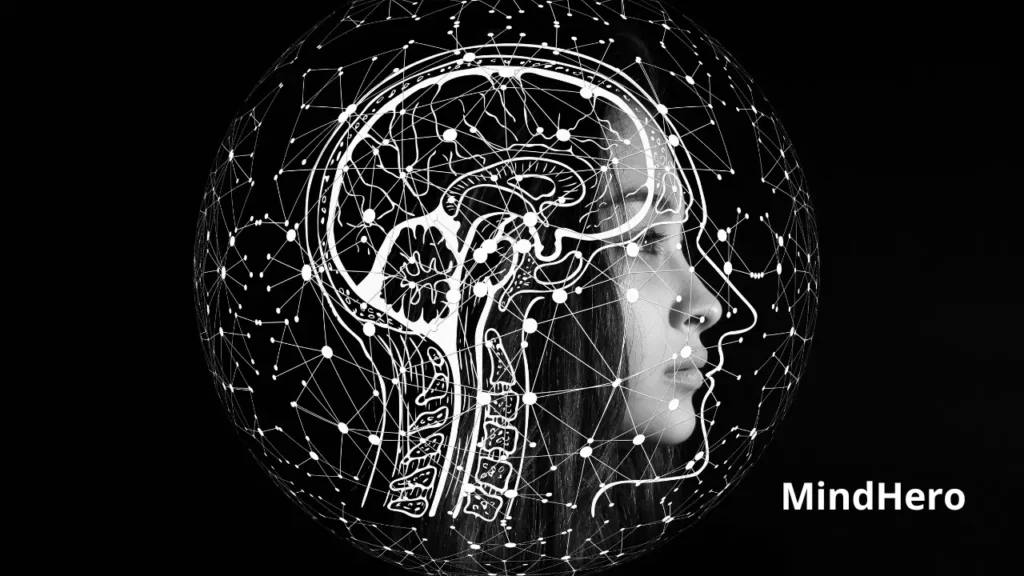
Enter intermittent fasting (IF). While widely known for its effects on weight management, emerging science reveals its most profound benefits may be reserved for the brain. IF is not a diet; it’s a pattern of eating that cycles between periods of eating and voluntary fasting. This simple shift can trigger powerful metabolic and cellular processes that enhance focus, accelerate learning, and protect your brain against age-related decline.
Achieving peak cognitive function is a holistic endeavor. It requires building powerful daily habits for a clearer, sharper mind, but integrating a practice like intermittent fasting can act as a catalyst, amplifying those benefits. In this guide, we’ll explore the cutting-edge science of how fasting rewires your brain, break down the most effective methods for achieving mental sharpness, and provide a practical, step-by-step plan to help you begin safely.
The Science: How Intermittent Fasting Rewires Your Brain for Peak Performance
The mental clarity reported by those practicing intermittent fasting isn’t just a feeling; it’s the result of a cascade of powerful biochemical changes within the brain. When you shift your eating patterns, you’re not just giving your digestive system a rest—you’re activating ancient survival circuits that are hardwired to sharpen cognitive function. Let’s break down the three core mechanisms that turn your brain into a more efficient, resilient, and focused machine.
The Metabolic Switch: Fueling Your Brain with Ketones
Our brains typically run on glucose from carbohydrates. However, after about 12-16 hours of fasting, those glucose stores are depleted. In response, your body initiates a “metabolic switch,” beginning to burn fat for energy. This process produces molecules called ketones, which are a highly efficient and “cleaner” source of fuel for your brain cells. Unlike glucose, using ketones for energy generates fewer inflammatory byproducts, reducing oxidative stress. This switch is a key reason many people experience a significant lift in “brain fog” and a feeling of sustained, stable energy, as confirmed in a landmark 2019 review in The New England Journal of Medicine.
While fasting initiates this powerful switch to a cleaner fuel source, you can further enhance your brain’s performance by ensuring your neurons have all the necessary micronutrients for optimal energy production. The ingredients in MindHero are designed to support energy production within the brain’s mitochondria, helping you capitalize on this heightened state of efficiency without the jitters or crashes associated with caffeine.
Boosting BDNF: The “Miracle-Gro” for Your Neurons
One of the most remarkable effects of intermittent fasting is its ability to significantly increase Brain-Derived Neurotrophic Factor (BDNF). Think of BDNF as a potent fertilizer for your brain. This protein is crucial for neurogenesis (the growth of new neurons), strengthening existing neural connections, and enhancing neuroplasticity—the brain’s ability to learn and adapt. Higher levels of BDNF are directly linked to improved memory, faster learning, and better overall cognitive function. Studies have repeatedly shown that periods of fasting are a powerful stimulus for its production.
Understanding the science of clarity and how nootropics can help reveals that you can create a powerful synergistic effect. While fasting elevates BDNF, ingredients like those found in MindHero, such as Bacopa Monnieri and Bilberry Extract, have also been shown to support cognitive processes and BDNF regulation, helping you build a more robust and adaptive brain.
Activating Autophagy: Your Brain’s Cellular Cleanup Crew
Autophagy, a term that translates to “self-eating,” is your body’s essential cellular recycling and cleanup process. During fasting, your cells begin to identify and clear out old, damaged, or dysfunctional components, including misfolded proteins that can accumulate in the brain and contribute to neurodegenerative diseases. This process, which led to a Nobel Prize in Medicine in 2016, is vital for maintaining long-term brain health and preventing cognitive decline. It’s like a deep clean for your neurons, ensuring they operate at peak efficiency.
While autophagy cleans house from the inside, it’s equally important to protect your brain from new damage. This is where a diet rich in nutrients and targeted supplementation comes in. MindHero provides powerful antioxidant protection from ingredients like Green Tea Extract and Grape Seed Extract, which help combat the daily oxidative stress that can damage brain cells. By pairing the cleanup process of fasting with the protective shield of potent antioxidants, you create the ultimate defense strategy for a sharper mind, now and in the future.
The Proven Benefits: From Enhanced Focus to Long-Term Brain Health
Understanding the science is one thing, but experiencing the results is what truly matters. The powerful biological processes of autophagy, BDNF production, and metabolic switching don’t just happen in a vacuum—they translate into noticeable, day-to-day improvements in your mental performance and overall well-being. Here’s what you can expect when you incorporate intermittent fasting into your lifestyle.
Enhanced Focus and Concentration
The stable, efficient energy provided by ketones is a game-changer for concentration. Unlike the energy spikes and crashes that come from a glucose-heavy diet, ketones provide a sustained fuel source that helps eliminate distraction and mental chatter. This state of heightened alertness makes it easier to engage in deep work and can be the biological key you need to learn how to enter a flow state for maximum productivity. While fasting lays the groundwork, you can amplify these effects with targeted nutritional support. MindHero was specifically formulated with components that aid concentration and attention in complex tasks, providing sustained focus without the jitters of caffeine.
Lifting the “Brain Fog” and Boosting Clarity
“Brain fog” is often a symptom of neuro-inflammation and unstable energy. By reducing inflammation and switching to clean-burning ketones, intermittent fasting directly addresses the root causes of this mental haze. Users frequently report a profound sense of mental clarity and sharpness, as if a veil has been lifted. This is the foundation of peak cognitive performance. To maintain this newfound clarity throughout the day, MindHero delivers key ingredients that support overall cognitive function and specifically combat the feelings of brain fog, ensuring your mind stays sharp and responsive.
Improved Memory and Learning
The boost in BDNF—your brain’s growth factor—has a direct and powerful impact on your ability to learn and retain information. By promoting the growth of new neurons and strengthening the connections (synapses) between them, fasting enhances your brain’s capacity to encode new memories and recall old ones with greater ease. Whether you’re learning a new language or mastering a complex skill for work, a brain rich in BDNF is a brain primed for learning.
Mood Stabilization and Emotional Resilience
Your gut and brain are in constant communication. By giving your digestive system a prolonged rest, intermittent fasting can help balance your gut microbiome, which has a significant impact on mood regulation. Combining this internal reset with mindfulness practices like meditation for mental clarity can create a powerful synergy for emotional well-being. Furthermore, MindHero contains ingredients that support the neurotransmitters responsible for regulating mood, helping to foster a sense of calm and balance. This holistic approach helps build resilience against daily stress, keeping your mind calm and centered.
How to Start: A Practical Guide to Intermittent Fasting for Brain Health
Getting started with intermittent fasting is simpler than it sounds. The key is to begin gradually and choose a method that aligns with your lifestyle. The goal isn’t deprivation; it’s to create a sustainable eating pattern that allows your brain to reap the maximum cognitive benefits.
Choosing Your Fasting Method
While there are many ways to practice intermittent fasting, three methods are the most popular for their simplicity and effectiveness. For the purpose of enhancing mental sharpness, consistency is key.
- The 16/8 Method (Leangains): This is the most popular and sustainable method for beginners. You fast for 16 hours each day and consume all your meals within an 8-hour “eating window.” For example, you might finish dinner at 8 p.m. and not eat again until 12 p.m. the next day. This schedule is long enough to trigger the metabolic switch and boost BDNF without feeling overly restrictive.
- The 5:2 Method: With this approach, you eat normally for five days a week and significantly restrict your calories (to about 500-600) on two non-consecutive days. This method can also induce autophagy and other benefits, but some find the low-calorie days challenging to maintain focus.
- Eat-Stop-Eat: This involves a full 24-hour fast once or twice a week. While effective for triggering deep autophagy, it can be intense for beginners and may not be necessary to achieve the daily mental clarity benefits offered by the 16/8 method.
For most people seeking enhanced mental performance, the 16/8 method is the ideal starting point.
Your First Week: A Step-by-Step Plan
Jumping directly into a 16-hour fast can be a shock to the system. Instead, ease into it over a week to allow your body to adapt.
- Days 1-2: Start with 12 Hours. Simply finish your dinner by 8 p.m. and don’t eat again until 8 a.m. This is a natural overnight fast for most people. Focus on hydration.
- Days 3-4: Extend to 14 Hours. Push your first meal of the day back to 10 a.m. You’re now in a real fasting state. You might feel some hunger pangs; drink water, black coffee, or unsweetened tea to manage them.
- Days 5-7: Aim for the Full 16 Hours. Delay your first meal until 12 p.m. By now, your body should be adapting. Pay attention to the quality of your meals during your 8-hour eating window, focusing on nutrient-dense foods to support your brain.
Important: Risks and Who Should Avoid Intermittent Fasting
Intermittent fasting is safe for most healthy adults, but it’s not for everyone. Initial side effects can include headaches, irritability, and fatigue as your body adjusts. It is crucial to consult with a healthcare professional before starting, especially if you:
- Are pregnant, breastfeeding, or trying to conceive.
- Have a history of eating disorders.
- Have diabetes (Type 1 or 2) or issues with blood sugar regulation.
- Are underweight or have a low body mass index (BMI).
- Are taking prescription medications that need to be taken with food.
Your health and safety are paramount. Always listen to your body and adjust as needed.
Frequently Asked Questions (FAQ)
How long does it take to feel the mental benefits of intermittent fasting? While experiences vary, many people report a noticeable decrease in brain fog and an increase in mental clarity within the first one to two weeks of consistent practice. The more profound benefits related to memory and learning, which are linked to BDNF production, may develop over several weeks to months.
What can I have during my fasting window? To avoid breaking your fast and to ensure you get the full cellular benefits, you should stick to non-caloric beverages. This includes water (still or sparkling), black coffee (with no sugar, cream, or milk), and unsweetened herbal teas.
Will fasting make me lose muscle mass? This is a common concern, but research suggests that intermittent fasting, especially when paired with adequate protein intake during your eating window and resistance training, is very effective at preserving muscle mass. The release of human growth hormone (HGH) during fasting also helps protect lean tissue.
What’s the best intermittent fasting schedule for mental sharpness? For most people, the 16/8 method is the best starting point. It’s sustainable and provides a long enough fasting period to trigger ketosis and boost BDNF without being overly stressful on the body.
Conclusion: Amplify Your Mind’s Potential
Intermittent fasting is more than a diet trend; it is a powerful tool for rewiring your brain’s fundamental processes. By triggering the metabolic switch to clean-burning ketones, boosting the production of the brain-growth factor BDNF, and activating your cellular cleanup crew through autophagy, you create an internal environment primed for peak cognitive performance. You can break through the brain fog, enhance your focus, and protect your mind for the long term.
But why stop there? While fasting sets the stage, providing your brain with the precise nutrients it needs to capitalize on this enhanced state can amplify your results.
This is exactly why MindHero was created. It acts as the perfect synergistic partner to your fasting lifestyle. Its clinically validated ingredients support neuronal energy production, provide antioxidant protection against daily stress, and deliver the raw materials your brain needs to build stronger connections. While fasting clears the way, MindHero helps rebuild and fortify your brain, ensuring your newfound clarity and focus are sustained day after day.
Don’t settle for a mind that’s just “getting by.” Combine the power of intermittent fasting with the advanced neurocellular support of MindHero to unlock your brain’s true potential.
Click Here to Claim Your Discounted Supply of MindHero and Experience Unshakable Mental Clarity.
References
- De Cabo, R., & Mattson, M. P. (2019). Effects of Intermittent Fasting on Health, Aging, and Disease. The New England Journal of Medicine.
- Gudden, J., Vasconcelos, A. R., & Bloemendaal, M., et al. (2021). The Effects of Intermittent Fasting on Brain and Cognitive function. PMC.
- The Nobel Assembly at Karolinska Institutet (2016). The Nobel Prize in Physiology or Medicine 2016. NobelPrize.org.


