Introduction: Debunking the World’s Oldest Memory Claim
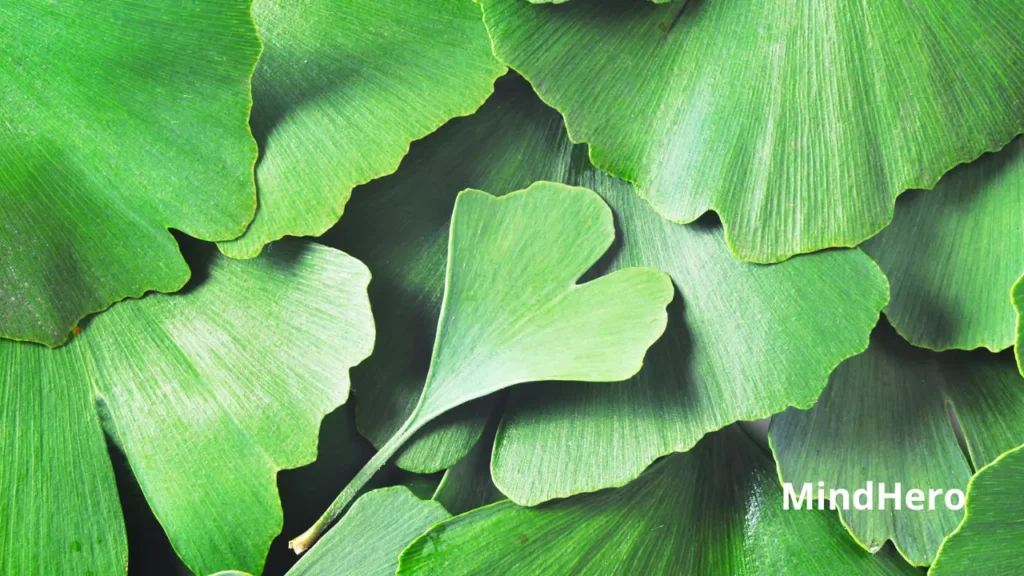
Ginkgo Biloba, derived from the fan-shaped leaves of one of the world’s oldest tree species, has been a cornerstone of Traditional Chinese Medicine for thousands of years. Today, it remains one of the best-selling herbal supplements globally, primarily marketed as a cognitive enhancer and a preventative measure against age-related memory loss.
But does the science back up the ancient claim?
For years, Ginkgo has been widely debated in the clinical community. Our goal is to cut through the marketing hype and provide an evidence-based answer to the central question: Is Ginkgo Biloba a powerful memory tool, or is it merely fiction for most people?
This guide, updated with 2025 meta-analyses, will provide a balanced, authoritative review, detailing the specific populations who do benefit (the Fact), the crucial difference between standardized extracts and generic powders, and why a synergistic, multi-ingredient approach is often superior for healthy cognition (the Fiction for most users).
What Is Ginkgo Biloba and How Does It Work?
The memory benefits, where they exist, are not attributed to the raw leaf but to a concentrated, standardized extract. This process ensures consistent levels of the key therapeutic compounds.
Key Bioactive Compounds: The Power of EGb 761
The majority of rigorous clinical research focuses exclusively on the highly standardized extract known as EGb 761 [1]. This standardization guarantees the presence of two main classes of active ingredients:
- Flavonoid Glycosides (approx. 24%): These potent compounds, including quercetin and kaempferol, are key antioxidants that combat oxidative stress and free radical damage in the brain—a recognized driver of age-related cognitive decline [2].
- Terpene Lactones (approx. 6%): This unique group, featuring ginkgolides and bilobalide, is primarily responsible for improving blood flow and offering neuroprotective effects.
Mechanisms of Action: More Than Just Circulation
Ginkgo’s potential efficacy stems from a multi-action mechanism on the brain:
- Improved Cerebral Blood Flow: Ginkgolides help relax and dilate blood vessels, improving blood flow and oxygen supply to the brain. This mechanism is crucial for addressing cerebral insufficiency.
- Neuroprotection and Oxidative Defense: The high concentration of flavonoids protects neuronal membranes from chronic inflammation and oxidative stress, acting as a direct neuroprotective agent [2].
- Neurogenesis Support: Emerging research suggests the compounds may promote factors like BDNF (Brain-Derived Neurotrophic Factor) and help modulate neurotransmitters. This complements the benefits seen with other powerful nootropics like Lion’s Mane Mushroom, which is also known to support NGF production.
Fact vs. Fiction: The Definitive Evidence for Memory
To determine if Ginkgo is fact or fiction, we must distinguish between its effects on a failing brain (Mild Cognitive Impairment/Dementia) and a healthy brain (students or young professionals).
The FACT: Strong Evidence for Cognitive Impairment
For individuals already experiencing measurable cognitive decline or mild dementia, the evidence for standardized Ginkgo Biloba (EGb 761) is significantly more compelling, positioning it as a scientifically supported therapy:
- Stabilizing Decline: Numerous meta-analyses, including recent 2025 reviews, consistently show that EGb 761 (at doses of 240 mg/day) can modestly stabilize or slow the rate of decline in patients with mild-to-moderate dementia [3].
- Improving Daily Function: Studies demonstrate moderate improvements in cognitive symptoms and activities of daily living (ADL) for patients with mild cognitive impairment (MCI).
- Biomarker Confirmation: A 2025 study on amyloid PET-positive MCI patients found that Ginkgo monotherapy was associated with preserved cognition and a reduced conversion rate to Alzheimer’s disease, suggesting potential disease-modifying effects [4].
The FICTION: Inconclusive for Healthy Adults
If you are a healthy individual seeking a “smart drug” to boost memory before a test or to prevent future decline, the evidence shifts decisively towards fiction:
- The GEM Study: The largest and most rigorous randomized controlled trial on Ginkgo—the Ginkgo Evaluation of Memory (GEM) study—concluded that the supplement was not effective in reducing the incidence of dementia in older adults with normal cognition or MCI [5].
- No Nootropic Effect: Systematic reviews spanning decades have found no convincing evidence that Ginkgo Biloba extracts, taken over short or long periods, have a positive or significant effect on memory, attention, or executive function in healthy, young people [6].
The Verdict: While Ginkgo is a valuable tool for supporting the impaired brain via its circulatory and neuroprotective actions, it is largely fiction for boosting the daily performance and memory of the healthy brain.
Dosage, Safety, and Critical Drug Interactions
Due to its nature as a supplement affecting the circulatory and nervous systems, proper adherence to safety guidelines is essential.
Recommended Dosage and Forms
- Standard Therapeutic Dosage: Clinical trials most often utilize the standardized EGb 761 extract at 120 mg to 240 mg per day [7].
- Minimum Duration: Benefits for cognitive decline typically require a minimum of 4 to 6 months of continuous use before effects are clinically noticeable.
Safety, Side Effects, and Warnings
- Common Side Effects: Mild side effects may include headache, dizziness, and upset stomach [7].
- Critical Warning: Bleeding Risk: Ginkgo may inhibit platelet aggregation, which increases the risk of bruising and bleeding, especially if combined with certain medications [7].
- Toxic Warning: Do not consume raw or roasted Ginkgo seeds—they are poisonous and contain high levels of ginkgotoxin.
Serious Drug Interactions (Consult Your Doctor)
Ginkgo can interact with several medications due to its effect on blood clotting and liver enzymes:
- Anticoagulants/Blood Thinners (e.g., Warfarin, Aspirin): Combination use significantly increases the risk of bleeding [7].
- Anticonvulsants: Ginkgo may reduce the effectiveness of seizure-management drugs.
- Certain Antidepressants (SSRIs/MAOIs): Caution is advised due to potential interactions.
The Optimal Solution: Moving Beyond Single-Ingredient Limitations with Mind Hero
If Ginkgo’s benefits for robust, healthy memory and focus are mostly fictional for healthy individuals, how do you achieve true cognitive excellence in a high-demand world? The answer is a synergistic, multi-ingredient solution that addresses all facets of brain health simultaneously—something a single herb cannot do.
A modern, comprehensive approach must target brain energy, focus, neuroprotection, and memory retention, not just circulation.
Why Synergy is Key for Peak Cognitive Performance
Cognitive decline and mental fatigue are complex issues resulting from multiple deficits: neurotransmitter imbalance, mitochondrial energy loss, and chronic oxidative stress.
- Enhanced Neurotransmitter Support & Focus: A complete formula should include co-factors like L-Theanine, which promotes calming alpha brain waves to enhance focus without jitteriness, or N-Acetyl L-Tyrosine (NALT), which supports cognitive performance under stress.
- Mitochondrial Power: Mental fatigue often stems from insufficient neuronal energy. Ingredients that support energy production in neuronal mitochondria are essential for overcoming brain fog. This is a mechanism shared with nootropics like Creatine for Brain Health, which enhances processing speed and mental resilience.
- Learning & Retention: The most critical cognitive benefits require specific memory compounds. For instance, Bacopa Monnieri is scientifically validated to strengthen synapses for better information acquisition and retention—a function far more direct and proven for memory than Ginkgo’s.
The Comprehensive Solution: Mind Hero
The limitations of single-herb solutions are why Mind Hero was formulated by neuroscience experts. It is a state-of-the-art neurocellular supplement designed to solve the problem of memory lapses and brain fog.
Mind Hero’s proprietary blend with 10 clinically validated ingredients delivers the total cognitive support necessary for the modern professional or active senior:
- Brain Energy: Supports energy production in neuronal mitochondria, without the spikes and crashes of caffeine.
- Mental Clarity: Ingredients that support cognitive function and reduce feelings of brain fog.
- Sustained Focus: Components that can aid concentration and attention in complex tasks.
- Antioxidant Protection: Natural antioxidants that combat oxidative stress in the brain, forming a “protective shield against oxidative stress, inflammation, and neuronal aging” [8].
By addressing all root causes of cognitive decline—from cellular structure to energy and neurotransmitter balance—Mind Hero offers a pathway to renewed memory sharpness, accelerated reasoning, and bursts of clarity and focus.
Why settle for mental lapses when cognitive excellence is just two capsules a day away?
Final Verdict and Call to Action
The “Fact” of Ginkgo Biloba lies in its modest yet meaningful role in supporting the already impaired brain. The “Fiction” lies in its marketing as a miracle drug for peak performance or prevention in healthy adults.
For those who demand true, comprehensive, and consistent cognitive excellence—Mind Hero offers the modern, synergistic, and scientifically robust solution.
Click here to discover the full formula and claim your discount today: FINALLY, THE EASIEST WAY TO ACHIEVE YOUR DREAM MEMORY
Scientific References
- Disclaimer: The content of this site is for informational purposes only, and is not intended to replace professional medical advice, diagnosis or treatment. Always seek the advice of your doctor or other qualified health care professional.
- Kidd, P. M. (2000). Ginkgo biloba extract EGb 761® in the symptomatic treatment of mild-to-moderate dementia: a profile of its use. Alternative Medicine Review.
- Tohda, M. (2018). Neuroprotective effects of Ginkgo biloba extract against neuronal damage. Pharmaceuticals.
- Riepe, M., Hoerr, R., & Schlaefke, S. (2025). Ginkgo biloba extract EGb 761 is safe and effective in the treatment of mild dementia – a meta-analysis of patient subgroups in randomised controlled trials. World Journal of Biological Psychiatry.
- Yang, Y., Koo, S., & Kwak, K. P. (2025). Efficacy of Ginkgo biloba extract in amyloid PET-positive patients with mild cognitive impairment. Frontiers in Neurology.
- DeKosky, S. T., et al. (2008). Ginkgo biloba for Prevention of Dementia: A Randomized Controlled Trial (The GEM Study). JAMA.
- Canter, P. H., & Ernst, E. (2007). Ginkgo biloba is not a smart drug: an updated systematic review. Human Psychopharmacology: Clinical and Experimental.
- Mayo Clinic. (2024). Ginkgo: Overview, Uses, Side Effects, Precautions, Interactions.
- [MindHero Product Information] (Referenced from the content of the uploaded PDF: “Natural antioxidants that combat oxidative stress in the brain.”).


