Introduction: Beyond Flexibility — How Movement Rewires Your Brain
What if the key to unlocking a sharper, clearer mind wasn’t a puzzle or an app, but how you move your body? For centuries, yoga and stretching have been celebrated for their physical benefits—improving flexibility, reducing tension, and building strength. However, a growing body of scientific evidence now reveals that these ancient practices are also a powerful form of “neurological maintenance,” capable of directly influencing your brain’s structure and chemistry to enhance cognitive function.
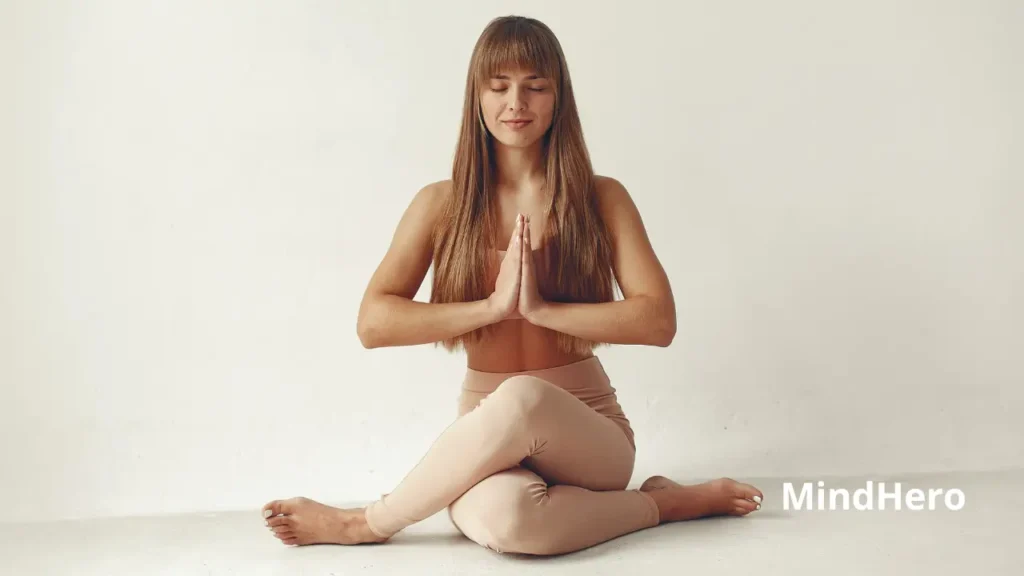
In a world filled with constant distractions and mental clutter, the ability to focus and think clearly is more valuable than ever. This guide will move beyond the surface-level benefits of stretching and explore the profound connection between your body and your mind. We will delve into the science of how a consistent yoga practice can reduce stress, boost memory, and sharpen your attention, providing you with a practical, evidence-backed blueprint for a healthier brain.
These physical practices are a cornerstone of a holistic approach to mental performance, perfectly complementing the other daily habits for a clearer, sharper mind that create a foundation for success. By the end of this article, you will not only understand the science but will also have actionable routines to begin harnessing the power of movement for a more resilient and focused mind.
Of course. Here is the next section of your article. This part establishes the scientific foundation, explaining how and why these physical practices have such a profound impact on the brain. This is crucial for building the authority of the piece.
The Science: How Stretching Your Body Rewires Your Brain
To understand why yoga and stretching are so beneficial for the mind, we need to look beyond the muscles and into the brain itself. A consistent practice is a powerful way to directly influence your brain’s chemistry, structure, and function. The connection isn’t mystical; it’s grounded in modern neuroscience.
Boosting “Miracle-Gro” for Your Brain: The Role of BDNF
One of the most significant cognitive benefits of physical movement comes from a protein called Brain-Derived Neurotrophic Factor (BDNF). Think of BDNF as a potent fertilizer for your brain cells. It plays a vital role in neuron survival, growth, and the formation of new connections, which is the very basis of learning and memory. Studies have consistently shown that physical activities, including yoga, can significantly increase levels of BDNF, leading to improved cognitive function and long-term brain health.
Calming the Storm: How Yoga Reduces Cortisol and Protects Your Memory
Chronic stress is a major enemy of mental clarity. When we’re stressed, our bodies release cortisol, a hormone that, in high levels, can damage the hippocampus—the brain’s primary memory center. Yoga is exceptionally effective at combating this. The practice’s emphasis on controlled, deep breathing (pranayama) and mindful movement activates the parasympathetic nervous system, also known as the “rest and digest” system. This process actively lowers circulating cortisol levels, protecting your brain from the damaging effects of stress and creating a calm, focused mental state.
The Mind-Body Connection: Strengthening Your Brain’s Focus Networks
Yoga and mindful stretching are, at their core, a form of attention training. When you hold a challenging pose or focus on the sensation of a deep stretch, you are practicing interoception—the awareness of your body’s internal state. This practice strengthens the neural circuits between your insular cortex and your prefrontal cortex, the regions of the brain responsible for self-awareness, attention, and decision-making. This deep focus on internal sensations is a form of active mindfulness, closely related to the principles of meditation for mental clarity, and it directly translates to an improved ability to concentrate off the mat.
10 Key Yoga Poses and Stretches for Cognitive Enhancement
Now that you understand the science, let’s put it into practice. The following poses and stretches are particularly effective at stimulating the brain-boosting mechanisms we’ve discussed. For each pose, focus on the connection between your breath, your body, and your mind.
1. Downward-Facing Dog (Adho Mukha Svanasana)
Brain Benefit: This gentle inversion increases healthy blood flow to the brain, delivering a fresh supply of oxygen and nutrients. This can have an immediate energizing effect, helping to clear away mental fog while simultaneously calming the nervous system.
2. Tree Pose (Vrksasana)
Brain Benefit: Tree Pose is a masterclass in focus. The act of maintaining balance requires your undivided attention, which intensely activates and strengthens the neural pathways in your prefrontal cortex and cerebellum. This practice directly trains your brain’s ability to maintain a steady, unwavering focus, a skill essential to enter a flow state for maximum productivity.
3. Warrior II (Virabhadrasana II)
Brain Benefit: Holding the strong, stable stance of Warrior II builds physical and mental stamina. The pose requires you to maintain a steady gaze (known as drishti) over your front hand, which is a powerful technique for training sustained attention and minimizing mental distractions.
4. Cat-Cow Stretch (Marjaryasana-Bitilasana)
Brain Benefit: This dynamic sequence is a perfect exercise in mind-body connection. By synchronizing your breath with the fluid movement of your spine, you stimulate the vagus nerve and activate your parasympathetic nervous system. This has a powerful calming effect, reducing stress and preparing your mind for a state of relaxed alertness.
Of course. Here is the continuation of your article, detailing the next set of beneficial yoga poses and stretches.
5. Seated Forward Bend (Paschimottanasana)
Brain Benefit: This is a deeply restorative pose that has a profound calming effect on the brain. By stretching the spine and encouraging you to turn inward, the Seated Forward Bend helps to soothe the nervous system, alleviating mild stress and anxiety. A calmer mind is better equipped to handle complex information and think clearly, making this an excellent pose to counteract the effects of a mentally taxing day.
6. Legs-Up-the-Wall Pose (Viparita Karani)
Brain Benefit: Considered one of the most powerful restorative poses, Legs-Up-the-Wall allows the nervous system to shift fully into a “rest and digest” state. This gentle inversion helps to calm the mind, reduce mental fatigue, and can be particularly effective at quieting the mental chatter that often impedes focus. It is a simple, passive way to reset your brain after a period of intense cognitive effort.
7. Neck Stretches
Brain Benefit: We often hold a significant amount of tension in our neck and shoulders, especially when working at a desk. This physical tension can restrict blood flow and lead to tension headaches, both of which are major barriers to mental clarity. Simple, gentle neck stretches—like dropping your ear to your shoulder or slowly tucking your chin to your chest—can release this tension, improving circulation to the brain and preventing the kind of physical discomfort that scatters focus.
8. Bridge Pose (Setu Bandhasana)
Brain Benefit: Bridge Pose gently stretches the spine and opens up the chest, which can improve breathing and circulation. Improved oxygenation has a direct positive effect on brain function. This pose is also considered a mild “backbend,” which can have an energizing and mood-lifting effect, helping to combat the lethargy and fatigue associated with brain fog.
9. Eagle Pose (Garudasana)
Brain Benefit: Eagle Pose is a complex posture that requires a high degree of coordination, balance, and concentration. The act of intertwining your arms and legs while maintaining a steady gaze forces your brain to integrate signals from multiple areas, including those responsible for motor control and spatial awareness. This intense focus acts as a powerful form of mental training, strengthening your executive functions and your ability to manage complex, multi-layered tasks off the mat.
10. Corpse Pose (Savasana)
Brain Benefit: While it may look like simply lying down, Savasana is one of the most important and challenging poses for cognitive health. The goal is to remain motionless yet fully conscious, allowing the body to completely relax. This practice trains the brain to shift from an active “doing” state to a state of restful “being.” It facilitates deep relaxation of the nervous system, which is crucial for memory consolidation and the integration of the neurochemical benefits (like reduced cortisol) gained during the active part of your practice. It is a direct and powerful way to cultivate a state of mental stillness and clarity.
Practical Routines: Putting the Science into Action
Understanding the benefits of individual poses is one thing; weaving them into a consistent practice is where the real cognitive transformation happens. You don’t need a full hour on the mat to reap the rewards. Here are three simple, targeted routines you can use to support your brain at different times of the day.
The 10-Minute Morning Routine for Mental Clarity
Start your day by waking up your body and brain with this energizing sequence designed to boost blood flow and sharpen focus.
- Cat-Cow Stretch (2 minutes): Begin on your hands and knees. For two minutes, flow gently between arching your back on the inhale (Cow) and rounding your spine on the exhale (Cat). Sync your breath to the movement to calm your nervous system.
- Downward-Facing Dog (3 minutes): From all fours, lift your hips up and back into an inverted V. Gently pedal your feet, bending one knee and then the other, to stretch your hamstrings. Hold steady for the final minute, allowing oxygen-rich blood to flow to your brain.
- Warrior II (2 minutes per side): Step one foot forward into a lunge, open your hips to the side, and extend your arms parallel to the floor. Gaze steadily over your front fingertips. This powerful pose builds focus and concentration.
- Tree Pose (1 minute per side): Finish by challenging your balance and steadying your mind. Stand on one leg and place the sole of your other foot on your inner thigh or calf. Hold your focus on a single, unmoving point in front of you.
The 5-Minute “Desk Reset” for Midday Focus
Combat midday brain fog and tension with these simple stretches you can do right at your desk.
- Neck Stretches (2 minutes): While seated, gently drop your right ear toward your right shoulder, holding for 30 seconds. Repeat on the left. Then, slowly tuck your chin to your chest to stretch the back of your neck.
- Seated Forward Bend (3 minutes): Sit on the edge of your chair with your feet flat on the floor. Hinge at your hips and slowly fold your torso over your thighs, letting your head and arms hang heavy. This gentle pose helps to release tension in the spine and calm the mind.
The 15-Minute Evening Wind-Down for Stress Relief
This gentle sequence is designed to release the physical and mental tension of the day, calming your nervous system to prepare your brain for a night of deep, restorative sleep.
- Bridge Pose (5 minutes): Lie on your back with your knees bent and feet flat on the floor. Gently lift your hips toward the ceiling, keeping your shoulders grounded. Hold for 30-60 seconds, then lower. Repeat 3-4 times. This gentle backbend can help relieve tension in the spine and improve circulation.
- Legs-Up-the-Wall Pose (5 minutes): Sit sideways next to a wall, then swing your legs up the wall as you lie back. Your body should be in an “L” shape. Rest your arms by your sides and breathe deeply. This is a profoundly restorative pose that calms the nervous system and reduces mental fatigue.
- Corpse Pose (Savasana) (5 minutes): Lie flat on your back, letting your feet fall open naturally and your arms rest by your sides with palms facing up. Close your eyes and consciously release tension from every part of your body. Focus on your breath and allow the day’s thoughts to drift away. This practice is essential for integrating the benefits of your practice and preparing for deep rest.
Amplifying Your Results with Nutritional Support
While a consistent yoga practice creates the ideal neurological environment for a sharper mind, you can amplify these benefits by ensuring your brain has the precise nutritional fuel it needs to build on that foundation. The physical practice improves blood flow and reduces stress, priming your brain to make the most of high-quality cognitive nutrients.
This is where targeted cognitive support like MindHero becomes a powerful ally. It is a state-of-the-art neurocellular supplement designed to work in synergy with your mind-body practices. It provides ingredients that support cognitive function and reduce feelings of brain fog , and supports the neurotransmitters that regulate mood and well-being. By combining the physical practice that improves brain structure with the advanced nutrition that fuels brain function, you create a comprehensive, 360-degree approach to mental performance.
Learn more about how MindHero can complement your cognitive health journey here.
Of course. Here is the final section of your article, which includes a strong conclusion to summarize the key takeaways and the final, formatted list of scientific references.
Conclusion: Your Brain’s Best Workout is on the Mat
Yoga and stretching offer a profound and accessible pathway to a sharper, more resilient mind. Far more than just a physical workout, a consistent practice is a form of direct and active training for your brain. It is a scientifically-backed method to boost crucial brain-growth factors like BDNF, lower the damaging effects of stress hormones, and strengthen the neural networks responsible for focus and clarity.
You don’t need to be an expert yogi to reap the cognitive rewards. By integrating a few simple poses and routines into your daily life—whether it’s a 10-minute morning sequence or a 5-minute desk reset—you are making a powerful investment in your long-term brain health. The journey to a clearer mind begins with a single, mindful movement. Start with just five minutes a day. Your body will feel the benefits, and your mind will thank you with lasting clarity.
References
- Gothe, N. P., Khan, I., Hayes, J., Erlenbach, E., & Damoiseaux, J. S. (2019). Yoga Effects on Brain Health: A Systematic Review of the Current Literature. Brain Plasticity.
- Polsgrove, M. J., Eggleston, B. M., & Lockyer, R. J. (2016). Impact of 10-weeks of yoga practice on flexibility and balance of college athletes. International Journal of Yoga.
- Harvard Health Publishing. (2021). Yoga for better mental health. Harvard Medical School.
- National Center for Complementary and Integrative Health (NCCIH). (n.d.). Yoga: What You Need To Know.
- Woodyard, C. (2011). Exploring the therapeutic effects of yoga and its ability to increase quality of life. International Journal of Yoga.


